
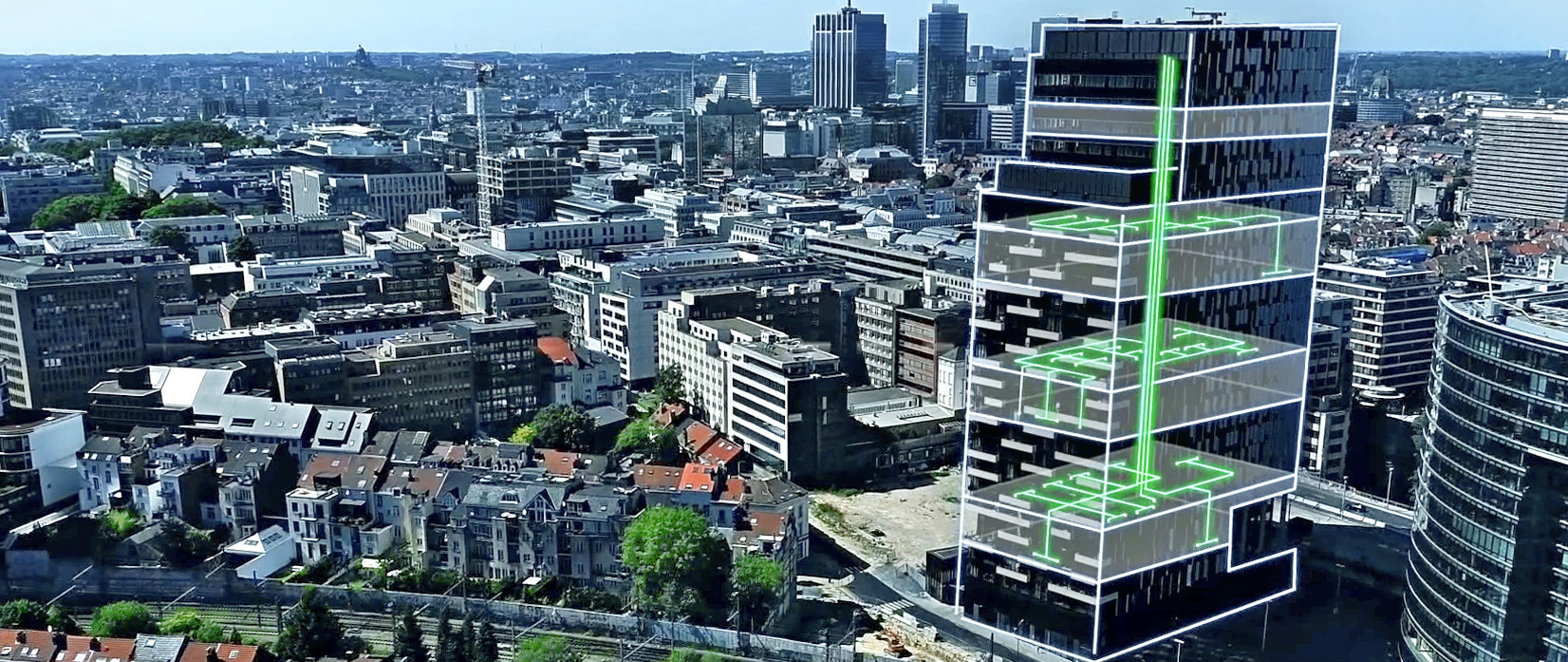
Modernize electrical installations in existing buildings
Request a consultation
The building stock
is under pressure
A large proportion of buildings are over 30 years old—and so are their electrical installations. At the same time, demands are increasing: flexible space concepts, energy efficiency, digitalization, as well as applications such as e-mobility or Photovoltaic.
Many existing electrical installations are not designed for these demands. They offer too little reserve for modern applications, are often undersized, not very flexible, and no longer meet the safety and comfort standards of contemporary buildings.
Those who only make selective renewals in existing buildings often merely solve acute problems. A building becomes future-proof only when the electrical installation is considered structurally.
Renewing the electrical installation in existing buildings is not just a technical measure—it determines how safe, usable, and future-proof a building remains.
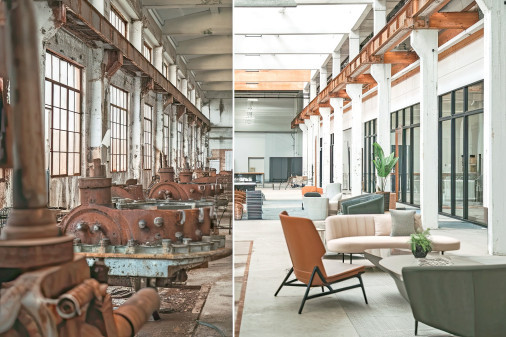
More than THE electrical refurbishment OF OLD WIRING
Revitalization means not only modernizing existing buildings, but making them usable and adaptable in the long term. It’s not just about replacing old electrical wiring. The key is an electrical installation that meets today’s requirements and takes future changes into account.
The focus is on a solution that:
- establishes an up-to-date level of safety
- reliably supplies modern applications
- reduces interventions in the building fabric
- enables short construction times during ongoing operations
- can be flexibly expanded and adapted
The crucial difference: an installation that not only works for today—but also remains adaptable tomorrow.
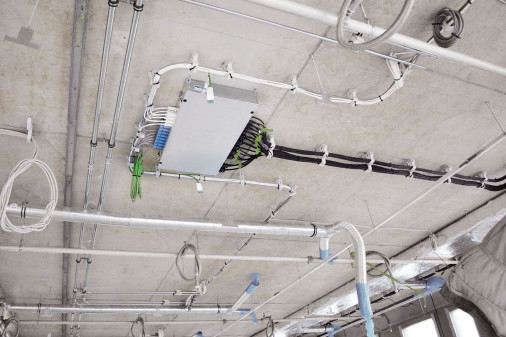
EVERY REVITALIZATION BRINGS CHALLENGES WITH IT
– WE DELIVER THE RIGHT SOLUTION
When renewing the electrical installation in existing buildings, every intervention counts. Construction times, the building fabric, and later changes in use must be considered from the outset. with pluggable systems, this becomes a plannable solution: less effort on site, less intervention in the building fabric, and more flexibility for later changes.
The following examples show how typical challenges of revitalization can be solved efficiently.
ONGOING OPERATIONS & TIME PRESSURE
Challenge:
Revitalizations often take place during ongoing operations—for example, in offices, hotels, educational institutions, or residential complexes. The more the building fabric is interfered with, the greater the downtime, disruptions, and costs.
Requirement:
The modernization must be carried out so that operational interruptions are reduced to a minimum—while ensuring high predictability and execution reliability.
Solution:
- Pluggable systems enable installation up to 70% faster through plug & play instead of individual wiring
- Prefabricated, tested components significantly reduce assembly effort and sources of error
Modernization must adapt to operations—not the other way around.
Result:
Buildings remain largely usable—and are back in full operation much faster.
Expert assessment:
Why modern electrical installation is crucial
“Renewing the electrical installation in existing buildings is not a replacement of old technology, but the foundation for safety, usability, and future readiness.”
Dominik Stöcklein
Product Manager gesis®

CONVENTIONAL VS. PLUGGABLE: THE DIFFERENCE AT A GLANCE
Pluggable installation systems not only offer conceptual advantages, they also have a measurable impact on time, costs, and material usage.
| Time required | 100 |
|---|---|
| Costs | 100 |
| Cable lengths | 100 |
| Fire load | 100 |
| Copper weight | 100 |
| Technical rooms | 100 |
| Time required | 30 |
|---|---|
| Costs | 70 |
| Cable lengths | 30 |
| Fire load | 40 |
| Copper weight | 50 |
| Technical rooms | 40 |
The values shown are based on typical project comparisons and may vary depending on the application.
SUSTAINABLE ELECTRICAL INSTALLATION
BEGINS IN EXISTING BUILDINGS
Revitalization is a key lever for sustainable construction—because most of the buildings of tomorrow already exist today.
For these buildings to remain energy-efficient, flexible, and certifiable in the long term, the electrical installation must be considered from the ground up.
FROM INCREASING REQUIREMENTS TO A FUTURE-PROOF ELECTRICAL INSTALLATION
REQUIREMENTS FOR EXISTING BUILDINGS
Energy efficiency is no longer an optional goal today, but enshrined in law—for example through the Building Energy Act (GEG) or DIN 18599. For electrical engineering, this means concrete requirements, e.g., through daylight-dependent lighting control.
At the same time, green building certifications such as DGNB, LEED, or BREEAM are becoming increasingly important. They assess buildings holistically—from energy efficiency and resource use to flexibility and utilization.
CONTRIBUTION OF PLUGGABLE SYSTEMS
This is exactly where pluggable, modular systems come in. They support the implementation of sustainable building concepts in two ways:
- They meet the increasing requirements for energy efficiency and enable the easy integration of modern building technology
- At the same time, they create measurable benefits for certifications—such as through lower material usage, reusability, and flexible use
This makes the electrical installation in existing buildings the decisive lever for sustainable buildings: it makes requirements for energy efficiency, certifiability, and flexible use technically feasible.
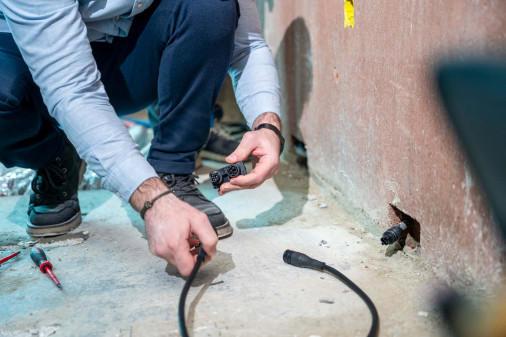
RESOURCE CONSERVATION
Fewer interventions in the building fabric reduce material usage and construction effort.
- fewer interventions in the building fabric
- lower material usage
- reduced construction waste
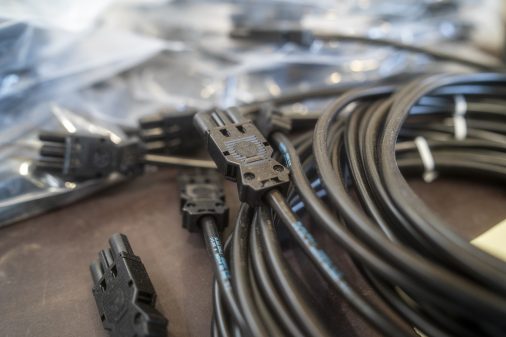
CIRCULAR ECONOMY
Reusable systems avoid unnecessary deconstruction and enable long-term use.
- reusable plug-in systems
- non-destructive adaptation and expansion
- less “throw away and start over”
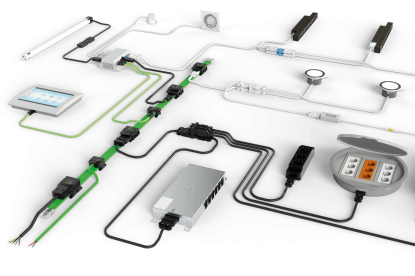
ENERGY EFFICIENCY
A modern electrical installation forms the foundation for energy-efficient building technology.
- Foundation for modern building technology
- Integration of LED, smart building, and load management
REFURBISHMENT OF THE ELECTRICAL INSTALLATION IN PRACTICE
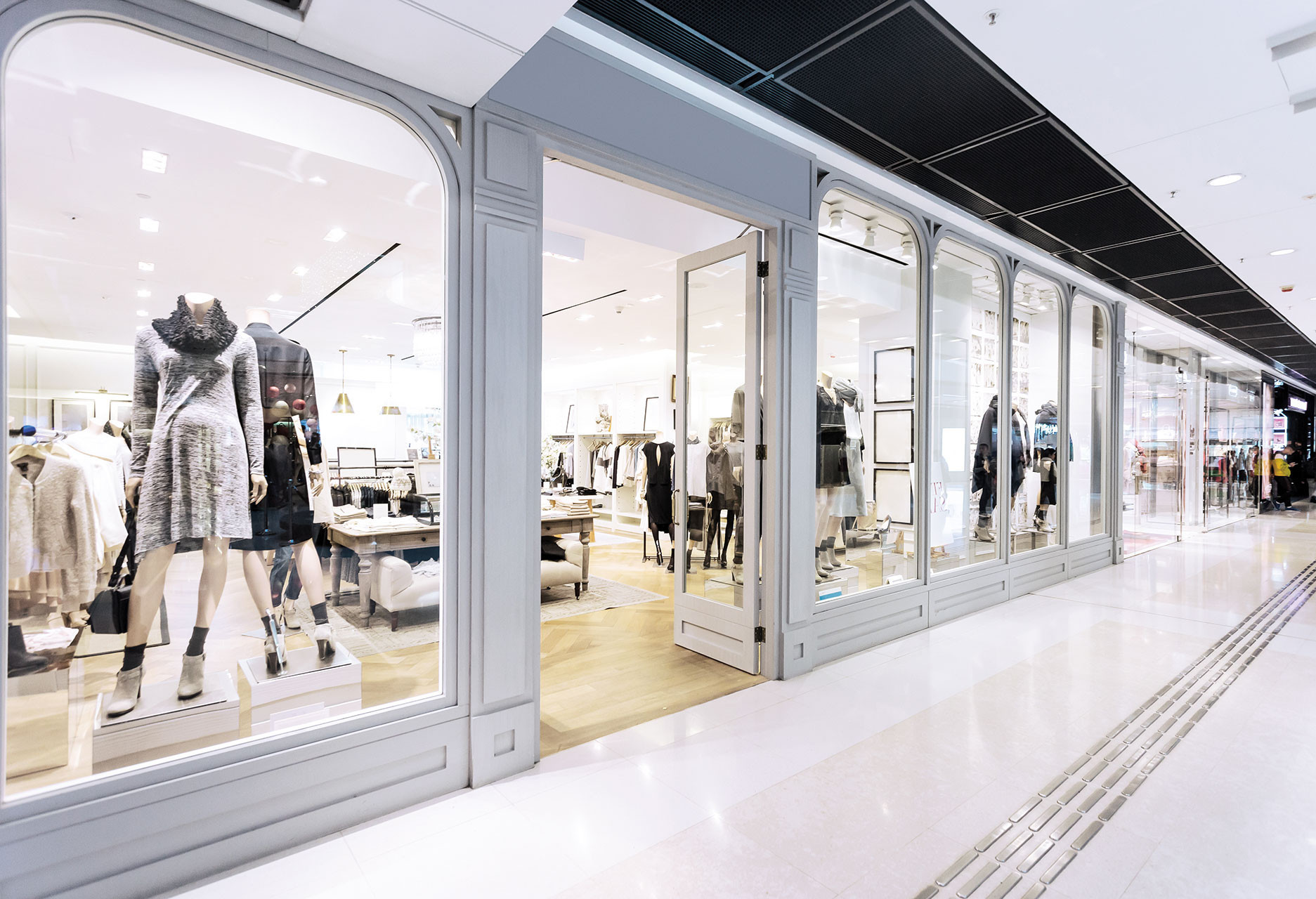
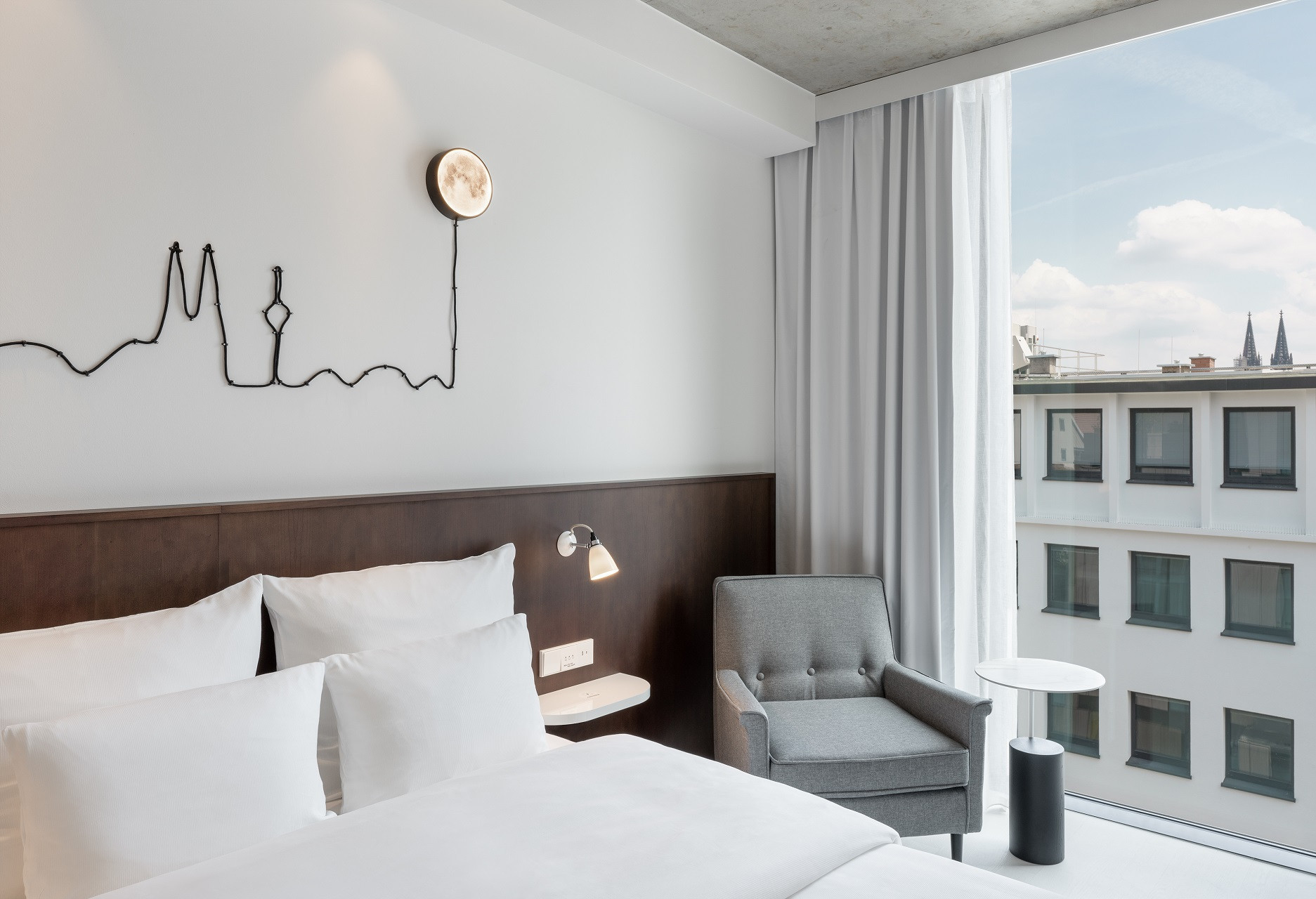
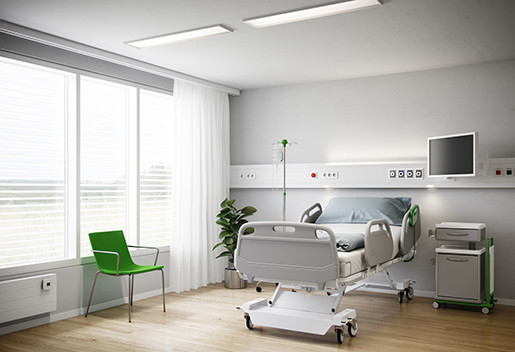
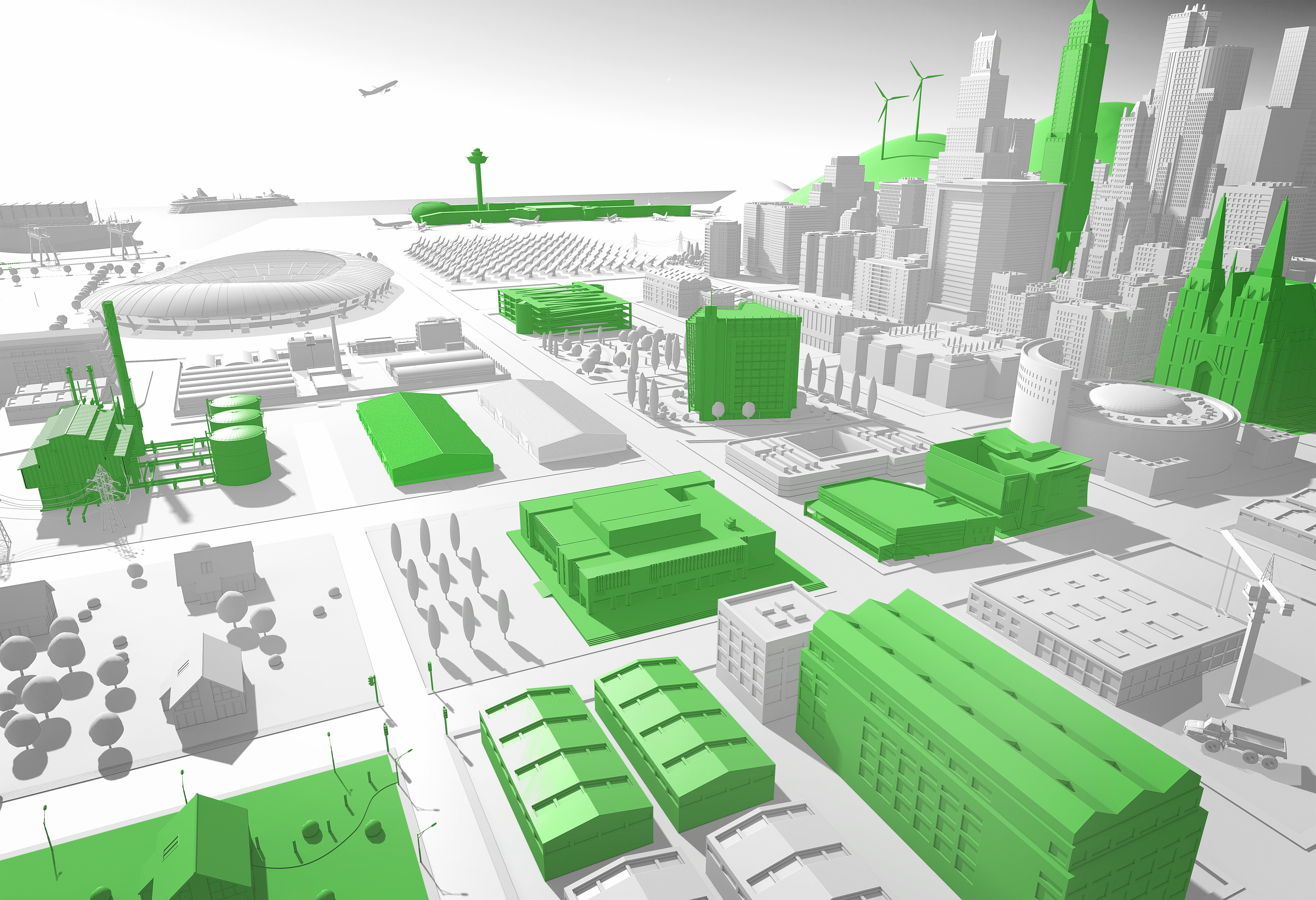
As diverse as buildings are, so too are the requirements for their revitalization. Discover suitable solutions for your application.
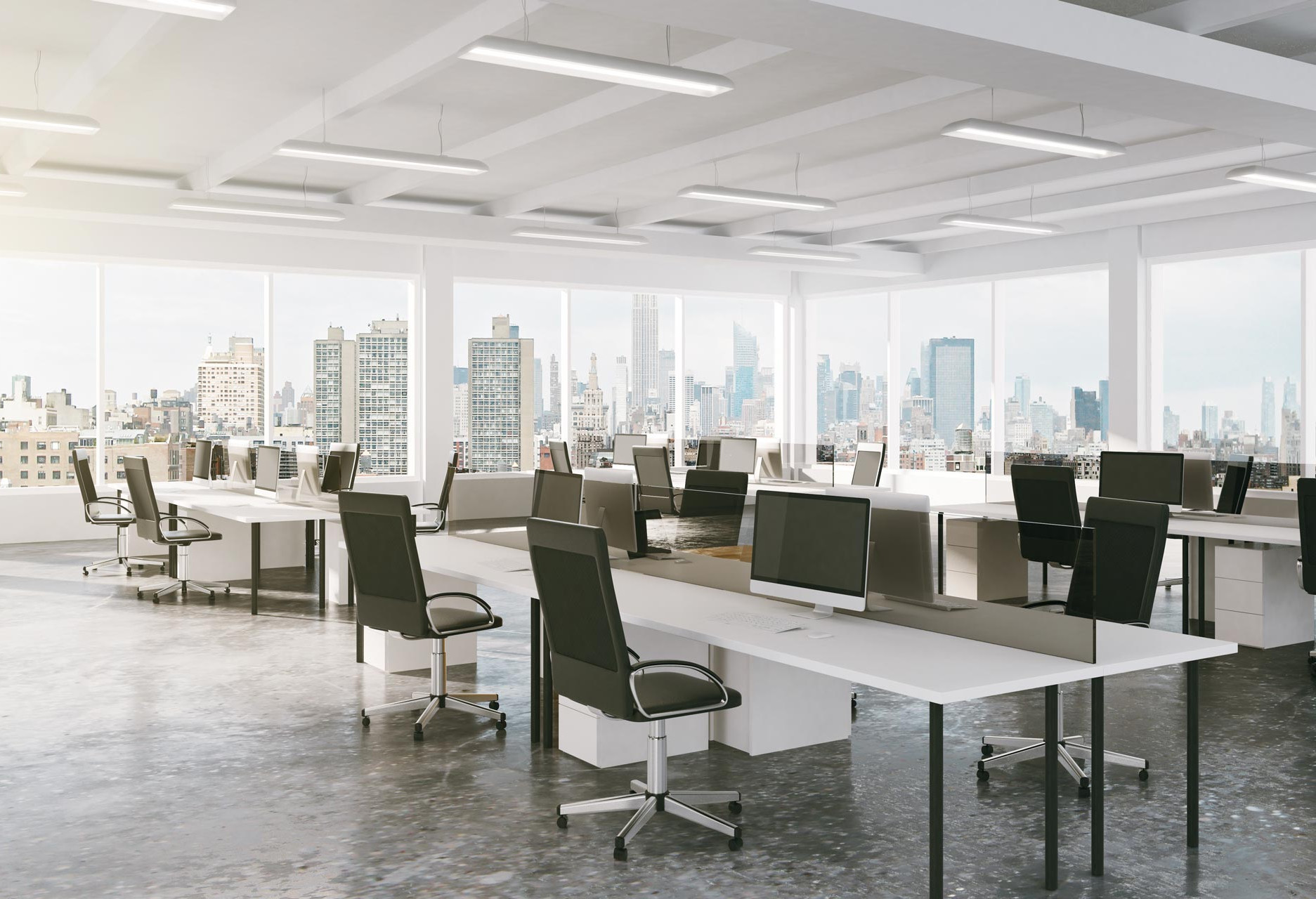

Revitalization begins
with good planning
Before an electrical installation in an existing building is renewed, a clear assessment of the existing conditions is needed: Which cable routes are in place? Which loads need to be supplied? What requirements arise from new usage concepts, building services, or future expansions?
Wieland supports you in developing a plannable system solution from these requirements—with pluggable components that reduce construction time, minimize interventions, and make future adjustments easier.

THE RIGHT INSTALLATION SYSTEMS FOR THE
RENEWAL OF YOUR ELECTRICAL INSTALLATION
With pluggable systems and modular components, Wieland Electric offers a seamless portfolio for the efficient and future-proof renewal of electrical installations in existing buildings.
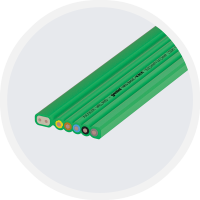
FLAT CABLE SYSTEM FOR EFFICIENT POWER DISTRIBUTION
With the gesis® NRG flat cable system, you reduce cabling effort by up to 70%. Less material, lower fire load, and maximum flexibility—ideal for office, education, and healthcare buildings.
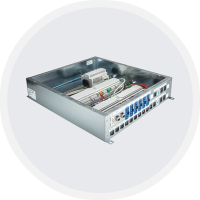
DISTRIBUTION BOX FOR
POWER AND DATA
The gesis® RAN distribution box enables decentralized power and data distribution for modern building structures. Quick to install, flexibly extendable, and reliable in operation.
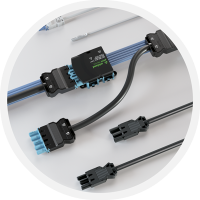
PLUGGABLE CONNECTION TECHNOLOGY FOR EVERY APPLICATION
With the gesis® installation system, you create reliable connections for lighting, power supply, and control—from individual applications to the complete electrical installation.
FAQ
What should be considered when renewing the electrical installation in existing buildings?
Early planning, a thorough assessment of the existing conditions, and sufficient flexibility for later changes in use are important. Straight in existing buildings, cable routes, spatial constraints, safety requirements, and future applications such as smart building, LED lighting, or charging infrastructure should be considered from the outset.
How can we avoid having to renew the electrical installation again in 30 years?
By not understanding the renewal as a one-time refurbishment, but as the Setup of an adaptable infrastructure. Conventional installations are often rigid and can only be modified with considerable effort.
Pluggable installation systems, on the other hand, enable later expansions, repurposing, or adaptations with significantly fewer interventions. This means the electrical installation is not only suited to today’s requirements, but can be developed further with the building.